Château de Chanteloup: over 600 years of History in the heart of the Sarthe
The Boisrier Estate: the origins of Château de Chanteloup
The estate first appeared in historical records at the beginning of the 15th century, when it was known as Boisrier. At the time, it was a feudal estate owned by influential noble families from the former province of Maine. Like many noble estates of the period, Boisrier played an important role in local life.
Over the centuries, several distinguished families owned the estate. Some managed the surrounding farmland, while others held local courts here, settling disputes and overseeing the affairs of the community. Although ownership changed many times, the estate continued to grow around an early manor house built beside the pond.
The Orangerie: the estate's oldest surviving building
The earliest known reference to the Orangerie dates back to 1689. At that time, it served as the meeting place for the estate's lord, Pierre Hessein, a former secretary to Anne of Austria. Standing beside the pond, it formed the heart of the Boisrier estate.
During the 18th century, the estate continued to evolve. Existing buildings were remodelled, the former manor gradually became a working farm and additional outbuildings were added. Little by little, Boisrier developed into an elegant country estate.
1814: the birth of Château de Chanteloup
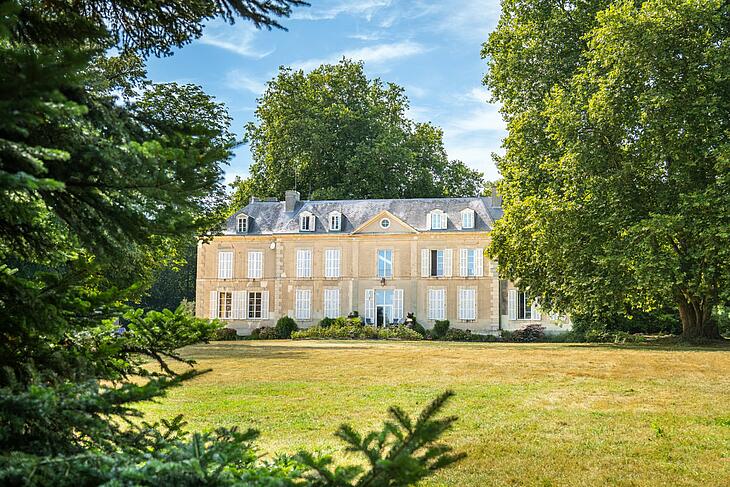
In 1814, Countess Marie-Louise Eynaud d'Ogier commissioned the construction of a new residence on the estate. The château was built for her younger son, Gérault Suzanne Achille d'Ogier, while the eldest inherited another family property.
Over the following decades, the estate expanded considerably. Old tracks were rerouted, new buildings appeared, woodland was extended and picturesque riding paths were laid out. Gradually, the park acquired the romantic character that visitors still enjoy today.
An estate that continued to flourish
Generation after generation, each owner left their mark on Chanteloup.
Among the most significant developments were:
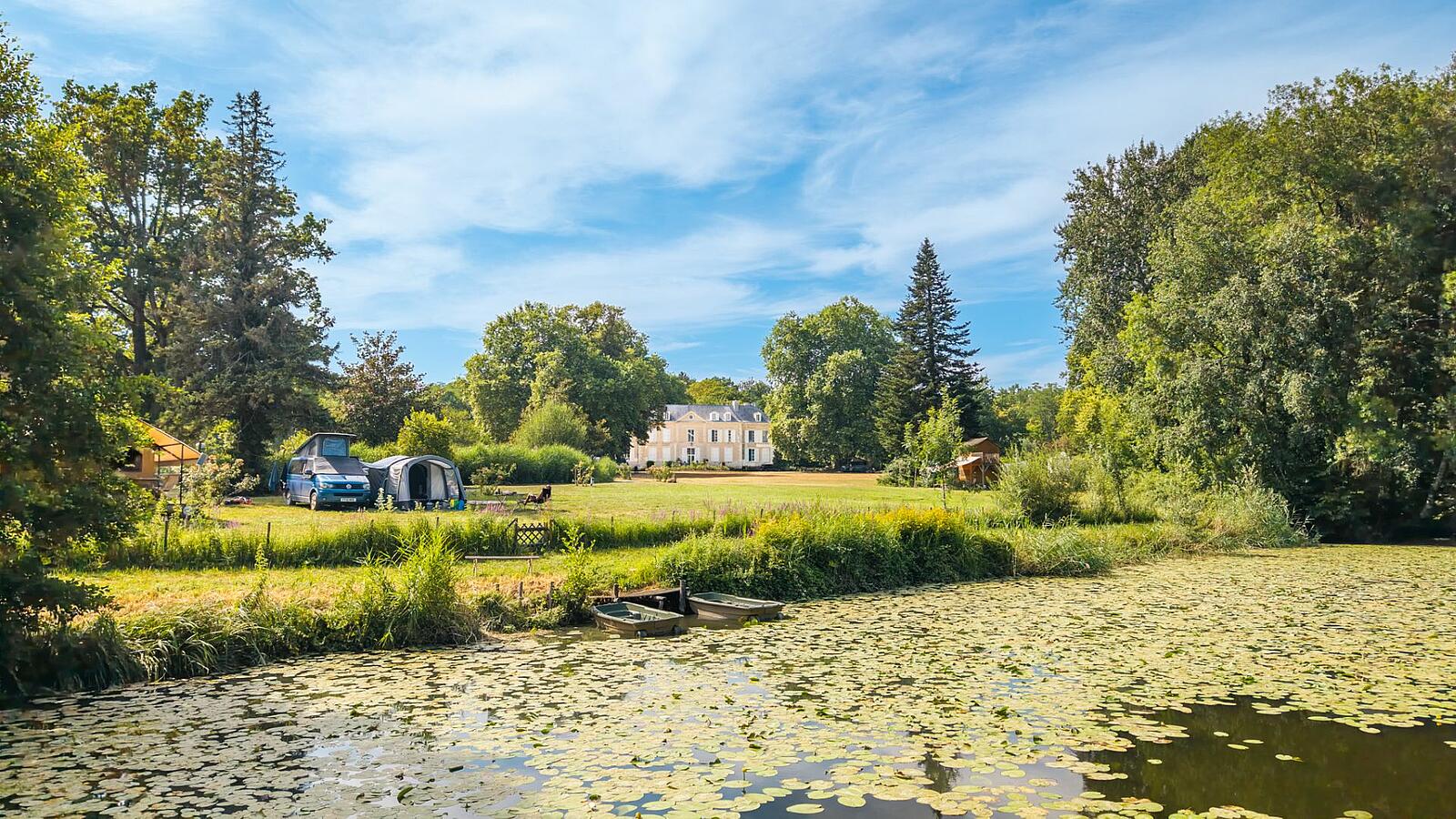
- the creation of the large ornamental pond, still one of the estate's most charming features;
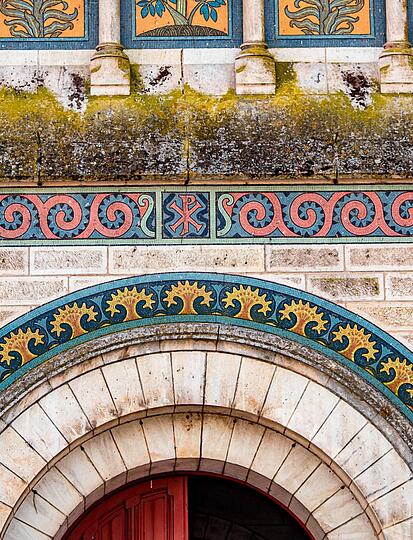
- the transformation of the former manor into the elegant Orangerie, inspired by Neo-Gothic architecture;
- the expansion of the landscaped park and surrounding woodland;
- the construction of new agricultural buildings and estate outbuildings.
An estate that almost disappeared
By the end of the 19th century, and throughout much of the 20th century, the château changed hands several times. Although each owner cared for the estate, maintaining such a vast country property became increasingly expensive. Like many historic French châteaux, Chanteloup faced an uncertain future.
After the Second World War, the estate changed dramatically. Much of the surrounding farmland was sold, large sections of woodland were felled and only around twenty hectares of parkland remained around the château. Even so, several remarkable trees survived this difficult period, including a magnificent plane tree that is now almost two centuries old.
For a time, the future of the estate seemed far from secure.
1972: when the château welcomed its first campers
In 1960, the Souffront family purchased the estate with the ambition of restoring it. The château was renovated and gradually brought back to life.
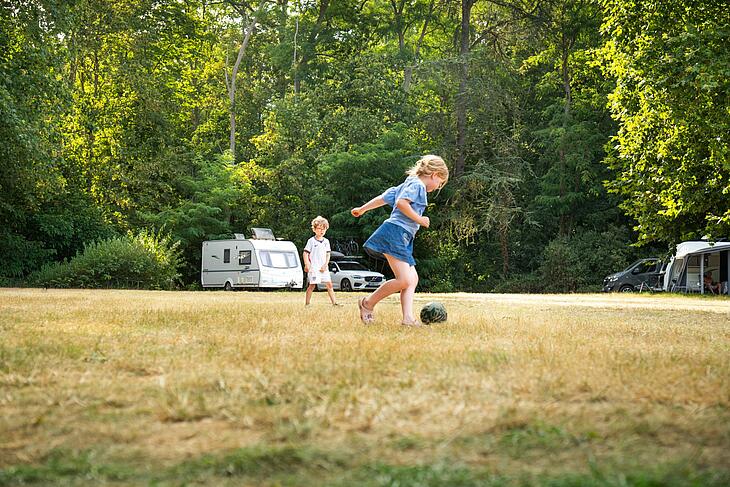
Then, in 1972, Michel Souffront made a bold decision that would shape the future of Chanteloup forever. Part of the park was opened to tents and caravans, embracing the growing popularity of outdoor holidays while preserving the unique character of the estate.
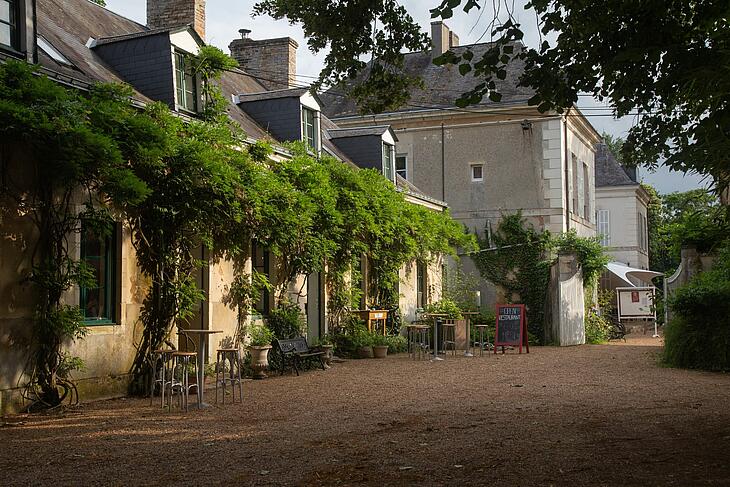
Thanks to this new activity, the château could continue to be maintained. The swimming pool was built, the restaurant opened, guest rooms were created in the former outbuildings and the Orangerie — abandoned for almost a century — was carefully restored. Rather than replacing the estate's history, the campsite helped preserve it.
Experience a Les Castels château for yourself
Today, guests can stay on spacious camping pitches, enjoy unique accommodation such as woodland cabins and luxury glamping tents, or choose one of the characterful holiday cottages created within the château's former outbuildings and the historic Orangerie.
Surrounded by centuries-old trees, a peaceful lake, a heated outdoor swimming pool, a kitchen garden and a wide range of five-star facilities, every stay offers the chance to slow down and experience the gentle pace of life in the Sarthe countryside.
Since 2020, the Dores family has continued this story, preserving the estate while ensuring it remains a welcoming destination for new generations of visitors. At Chanteloup, history is not simply something you admire — it is something you experience.
Things to do near Château de Chanteloup
Staying at Château de Chanteloup also means discovering the highlights of the Sarthe region.
Just a short drive away lies Le Mans, famous for its beautifully preserved Plantagenet Old Town, Saint-Julien Cathedral and, of course, the legendary 24 Hours of Le Mans race circuit.
Nature lovers will enjoy exploring the Alpes Mancelles, walking through picturesque villages, hiking scenic trails or paddling along peaceful rivers by canoe. Families can also spend the day at La Flèche Zoo, Papéa Parc or the Arche de la Nature, all within easy reach.
After a day of sightseeing, there's nothing quite like returning to the tranquillity of the estate, enjoying dinner beneath the lime trees and ending the evening overlooking the park.
At a glance...
Château de Chanteloup is:
✔ More than 600 years of history.
✔ A château built in 1814, surrounded by beautiful landscaped parkland.
✔ A historic Orangerie and carefully preserved estate buildings.
✔ A five-star Les Castels campsite welcoming guests for more than 50 years.
✔ The perfect base for exploring Le Mans and the Sarthe region.
FAQ – Château de Chanteloup, Les Castels campsite
Can you visit Château de Chanteloup?
The château is a private property located within Château de Chanteloup campsite. Guests staying on the estate are free to enjoy the park and admire its historic buildings, although the château interiors are not open as a traditional visitor attraction.
How old is Château de Chanteloup?
The estate dates back to the 15th century, when it was known as Boisrier. The present château was built in 1814 and has been extended and enhanced ever since.
Why is it called Chanteloup?
For centuries, the estate was known as Boisrier, after the historic manor. It later adopted the name Chanteloup, taken from the nearby hamlet where the estate is located.
When was the campsite created?
The campsite opened in 1972, when Michel Souffront decided to welcome campers to the estate. This new chapter helped finance the restoration and long-term preservation of many of the estate's historic buildings.
What accommodation is available?
Guests can choose from spacious camping pitches for tents, caravans and motorhomes, woodland cabins, luxury glamping tents, safari lodges and charming holiday cottages created within the château's former outbuildings.